
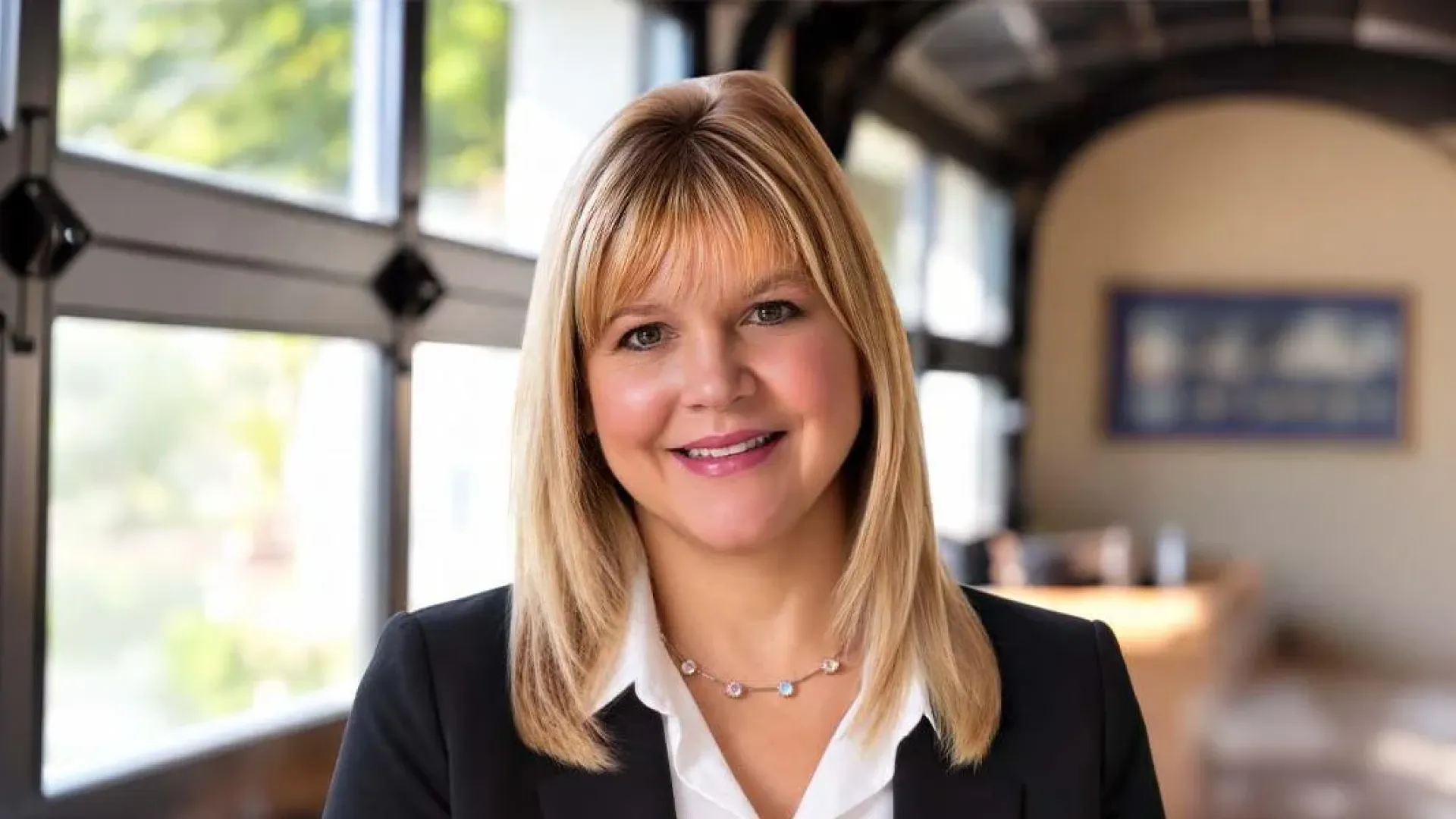
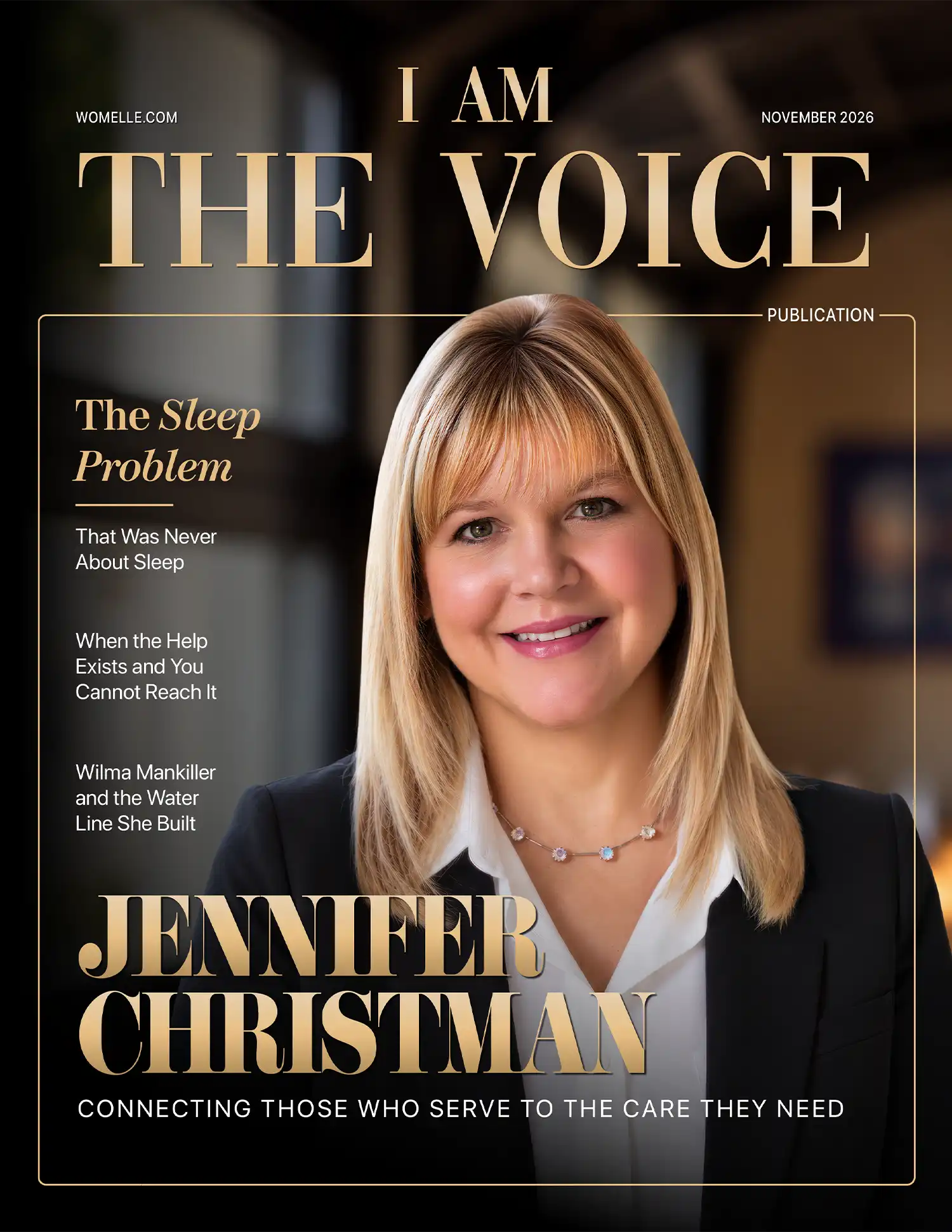
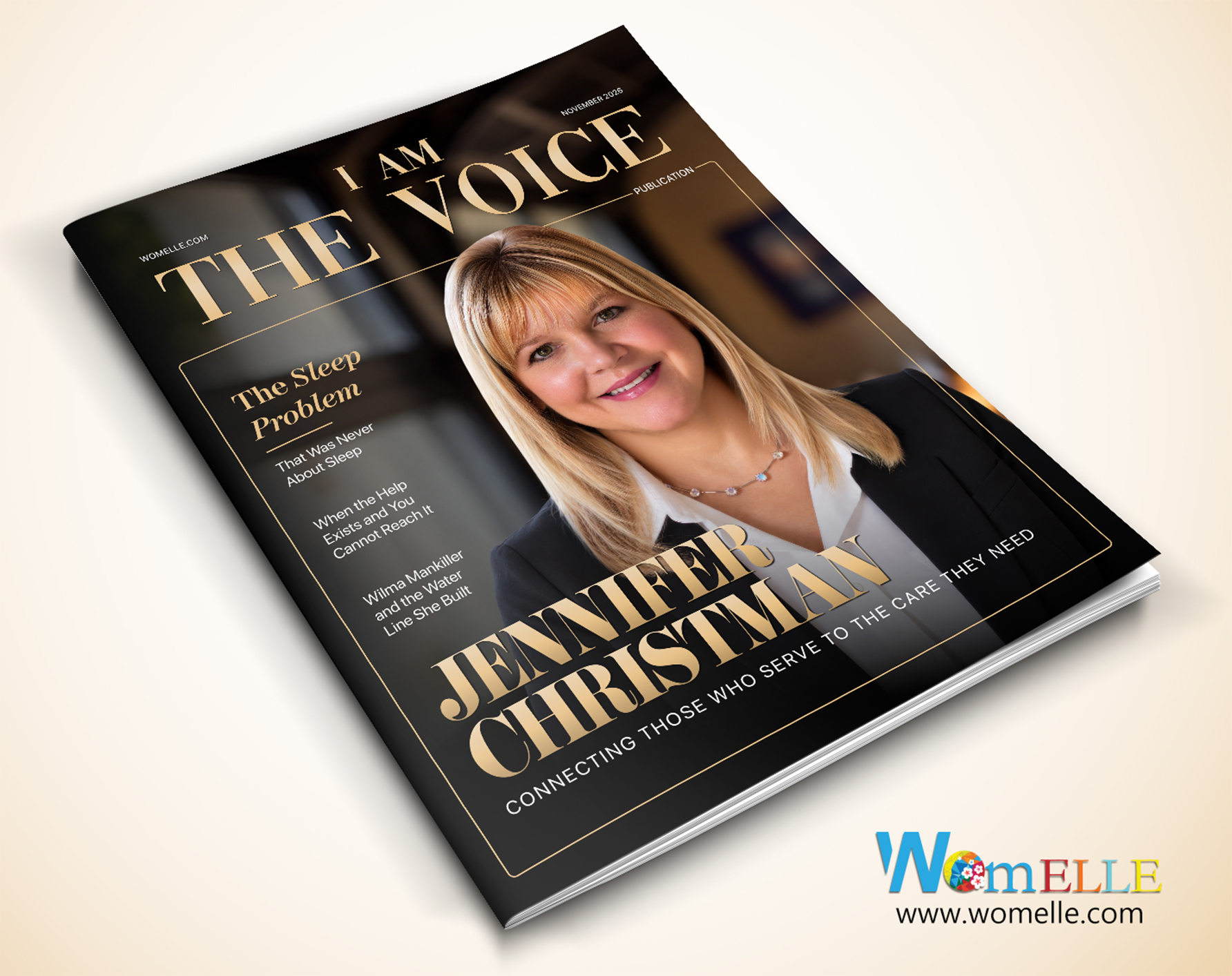
Jennifer Christman: Connecting Those Who Serve to the Care They Need
By Naya Hart · November 11, 2026 · 9 min read
For millions of veterans and military families, getting help can begin with something that sounds simple. The thought might be to find a therapist, understand a benefit, talk to someone about money, get legal guidance, or make an appointment. The difficulty often comes after that first thought. A person has to figure out where to go, whether they qualify, who to call, how far they have to travel, and what to do when the first place they contact cannot help them.
That problem becomes even more complicated outside major cities. More than 4.5 million veterans live in rural and highly rural communities, roughly one quarter of the country’s veteran population, according to the VA Office of Rural Health. Distance remains a serious concern for mental health care in those communities, enough that the VA has expanded telehealth programs specifically to reach veterans who might otherwise face long trips for treatment.
Jennifer “Jenn” Christman has spent much of her career thinking about what happens in that space between needing help and finding it. As President of MyAdvisor, LLC, a Three Wire Systems company, she leads work involving care coordination, behavioral health, wellness, financial concerns, career support, legal needs, and other problems that can affect service members, veterans, caregivers, and their families. Her interest in that work is professional, but it is also personal.
A Veteran Spouse Who Knows This Life
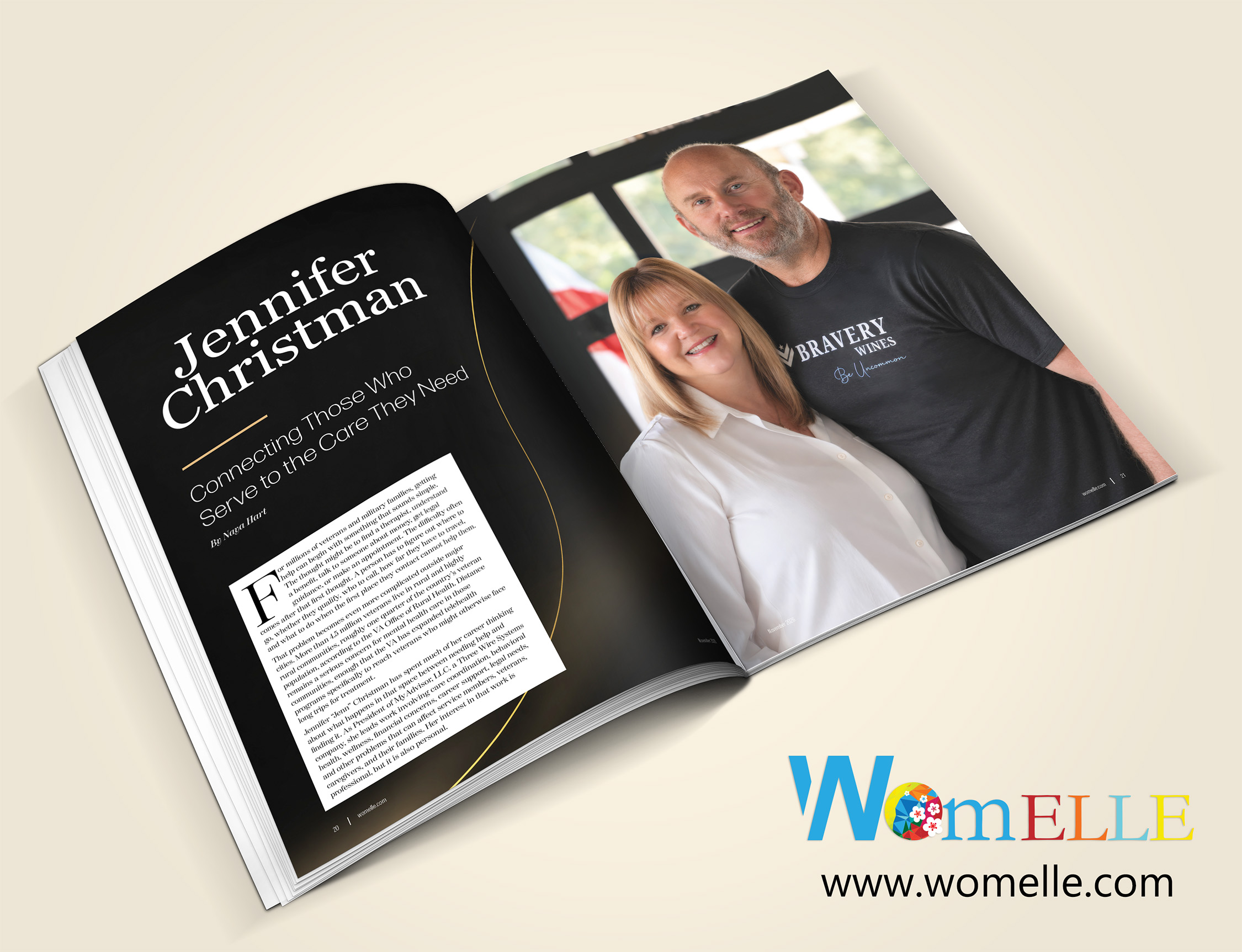
Jenn is married to Corey Christman, a veteran who served in the military for 21 years. She has spent close to two decades working with military and veteran communities, including active duty members, members of the Guard and Reserve, veterans, caregivers, and families. When she talks about military service, she does not limit the conversation to the person who wore the uniform. She thinks about everyone whose life changes around that service.
Military families can relocate repeatedly. That can mean interrupted careers, new schools for children, and spouses who start over with new jobs and professional relationships. When illness, injury, mental health concerns, or caregiving enter the picture, another layer of responsibility lands on the family. Jenn has watched spouses take on much of the work happening out of sight, including managing appointments, understanding benefits, handling paperwork, caring for children, supporting a partner, and trying to keep their own lives moving. “It’s usually the spouse that manages the behind the scenes for the family,” she says.
Employment is one example of the pressure military spouses can face. The 2024 Department of Defense Active Duty Spouse Survey found 20 percent unemployment among civilian spouses and linked permanent changes of station to higher odds of unemployment. A new duty station can mean another job search, another professional restart, and another period of uncertainty for a household trying to plan its future.
The Real Problem Rarely Shows Up First
Jenn knows families can get lost between a service that exists and a person who needs it. That is one reason MyAdvisor takes what she describes as a whole-person approach. Someone may enter a program with one concern, only for another issue to surface after trust develops. The original problem still matters, but it may be connected to something much larger.
Jenn gives the example of someone who says they are not sleeping. At first, the plan might focus on better sleep habits. After more conversations, the person may reveal that they recently lost a job and are worried about rent, food, or unpaid bills. Suddenly, what appeared to be a sleep problem also involves financial stress, employment, and the fear of not being able to provide for a family.
That changes what useful support looks like. A conversation about sleep alone will not solve a looming rent payment. MyAdvisor can connect someone to community resources such as food assistance while a financial concierge helps with budgeting, planning, or getting caught up on bills. The care plan can continue changing as more information comes forward.
Jenn sees that process as deeply human. People do not always explain everything that is wrong during a first conversation, especially when the subject is personal, painful, or embarrassing. “Until you develop that relationship or rapport with the coach that you’re working with or the concierge you’re working with, you may not be willing to let your guard down,” she says. A person may need time before saying that the problem is money, grief, a relationship, unemployment, caregiving, or fear. She does not see people as a collection of separate problems that can be sent to separate offices.
The Work Behind Getting Help
MyAdvisor now serves people across all 50 states and all U.S. territories through various programs and contracts. Support is available around the clock because, as Jenn points out, problems do not limit themselves to traditional business hours. The organization works with its own employees, outside providers, community resources, government partners, and other organizations, to meet each person where they are with what they need.
That network matters in rural communities, where the correct provider might be hours away. Jenn described how someone in a smaller community can work with a coach on a care plan while the team coordinates with the VA, local systems, and other community resources. The goal is not simply to hand someone a phone number. It is to help make the connections necessary for the person to move forward.
There is an important difference between telling families that resources exist and making those resources easier to use. Jenn’s work sits in that difference. Navigation can sound administrative until someone has spent hours making phone calls, repeating the same story, filling out forms, waiting for answers, and learning that the office they contacted was not the right one.
Women’s Needs Are Getting Noticed
The needs of women veterans add another part to the story. More than 2.1 million women veterans live in the United States, and women are the fastest growing group in the veteran population. In 2023, about 930,000 women veterans were enrolled in VA health care, while approximately 650,000 received VA medical care that year. The VA has continued expanding services created around women’s specific health needs.
Jenn has watched that attention grow. She points to women’s health as an area where military and veteran systems have become more aware that one approach cannot meet every person’s needs. Conversations around menopause, perimenopause, postmenopausal health, maternal health, mental health, and other concerns affecting women have become more visible. She credits the VA for putting greater attention on services designed specifically for women veterans. Her concern extends to women who never served but built their lives around someone who did, because the uniform may belong to one person, but the responsibilities surrounding military life rarely stay with one person alone.
Giving Back, Close to Home and Beyond
Jenn’s commitments reach well past her office. She serves on the boards of Veterans Community Initiatives, The Special Liberty Project, Shield of Sisters, and the National Association for Rural Mental Health, where she once served as board president. The Special Liberty Project connects healing veterans and Gold Star families with nature through retreats and outdoor experiences. She also advocates for women who have experienced military sexual trauma and supports community fundraising for breast cancer causes. “I try to take my areas of expertise and help especially smaller boards or nonprofits that are just getting into existence,” she says, and she offers both her expertise and her financial support.
Jenn and Corey co-own Bravery Wines. Corey made wine in the basement as a hobby, and after he retired from the military and tried civilian work that did not light him up, he took winemaking to a professional level. They launched the brand on Veterans Day in 2020 and opened a tasting room in Dresden, NY, in December 2024. Every bottle sold sends $2.50 to veteran and first responder causes. Jenn says she is proud to walk this road beside him.
“When we’ve faced hardships or when we might need somebody to lend us a helping hand, the community’s always rallied behind us,” she says. Service is a family commitment. Jenn has a son, Logan, who also gives back, through his professional and personal involvement with military-focused nonprofits and caregiver programs. Whether she is leading MyAdvisor, serving on a board, or helping with the family business, she keeps asking the same question: What does this person need, and how do we help them reach it? Each one is a way of making sure people do not have to face a hard stretch alone.
No One Turned Away
Jenn knows that asking for help is hard, and that it wears a person out when the first place they try is not the right one. Her advice for a woman who qualifies for support but cannot reach it depends on where she lives. The Department of Veterans Affairs can point her toward services, and local groups like the American Legion, Disabled American Veterans, and the Wounded Warrior Project often know what exists nearby. A resource like MyAdvisor can act as a guide, someone who knows the options anywhere in the country and helps sort through them. “We’ll never turn anyone away that needs our support,” Jenn says.
She calls the people standing behind service members the backbone of the country’s support, and she means it. “It’s critical to our country,” she says. Her days are spent making sure those people are seen, that they know help exists, and that someone is ready to walk them to it. For a spouse who has been running the household alone, or a veteran in a small town with nowhere to turn, that kind of attention can change the shape of a hard year.
It usually begins with one call. The VA’s Women Veterans Call Center takes calls and texts at 855-VA-WOMEN (855-829-6636) and offers an online chat. MyAdvisor can be reached at 800-521-6786, and works with families, caregivers, and spouses as well as veterans. Neither conversation requires knowing exactly what to ask for. The first call does not have to be the right one, which is the whole reason a guide exists.